Home › Services › Electric Boilers

Electric boilers, sized for the flat and the fuse board

For a flat with no gas supply, an electric boiler is often the only sensible heat source. Getting the size and the electrical supply right is the whole job.

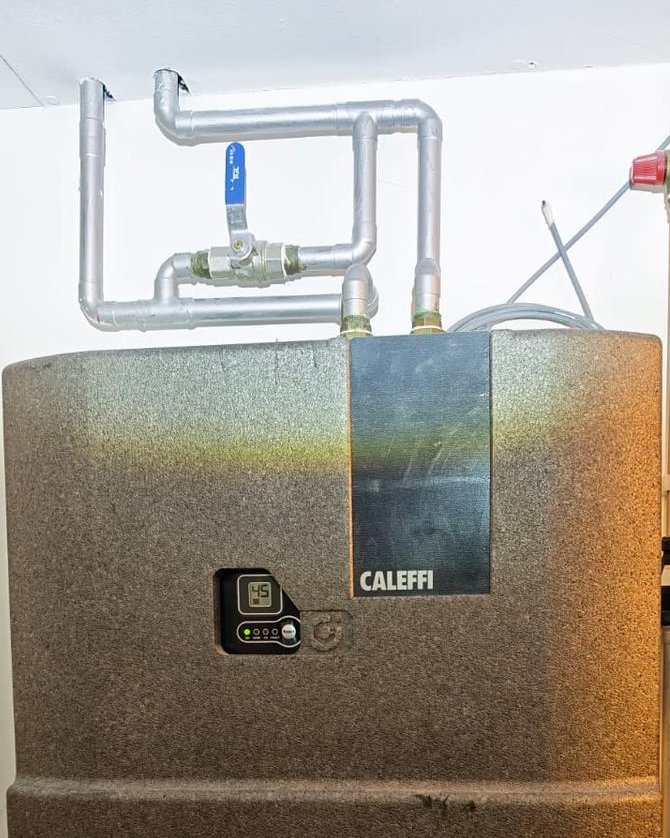
A wall-hung electric hot water unit in a flat with no gas supply, with new pipework and isolation valves above it

What's involved

Electric Boilers in detail

Sizing and survey

An electric boiler is limited by your incoming supply and your consumer unit, not by the brochure. A 12 kW unit in a flat with a 60 A supply and an electric shower will trip, and no amount of resetting fixes that.

We calculate the heat requirement from the rooms and the radiators, then check what the electrical supply will actually carry, before anything is ordered.

  • Heat loss calculated per room
  • Incoming supply and consumer unit checked
  • Radiator output assessed
  • Written quote after survey, not before
Installation

Fitted, filled, flushed and commissioned, with the electrical connection done by a qualified electrician we work with regularly, so you are not chasing two diaries.

Old storage heaters or a failed electric unit removed and taken away. Controls set up with you before we leave rather than left on factory defaults.

  • Usually one day for a swap
  • Electrical work by a qualified electrician
  • System flushed and inhibited
  • Controls set up with you

Repair and fault finding

Tripping breakers, elements that have failed, contactors, thermostats and pressure faults. Most repairs are a component rather than the boiler, and cost a fraction of replacement.

If the unit is genuinely finished we will say so, and tell you what the alternatives look like including doing nothing for another winter.

  • Elements, contactors, thermostats
  • Pressure and expansion faults
  • Tripping and supply problems
  • Honest repair-versus-replace verdict

Running costs, honestly

Electricity costs more per unit than gas, so an electric boiler usually costs more to run than a gas one. In a flat with no gas, the real comparison is against storage heaters or direct electric, where a properly sized system with good controls usually wins.

We will talk you through what it is likely to cost before you commit, rather than after the first bill arrives.

  • Honest comparison before you commit
  • Controls that cut waste
  • Insulation and radiator advice included
  • No overselling of oversized units
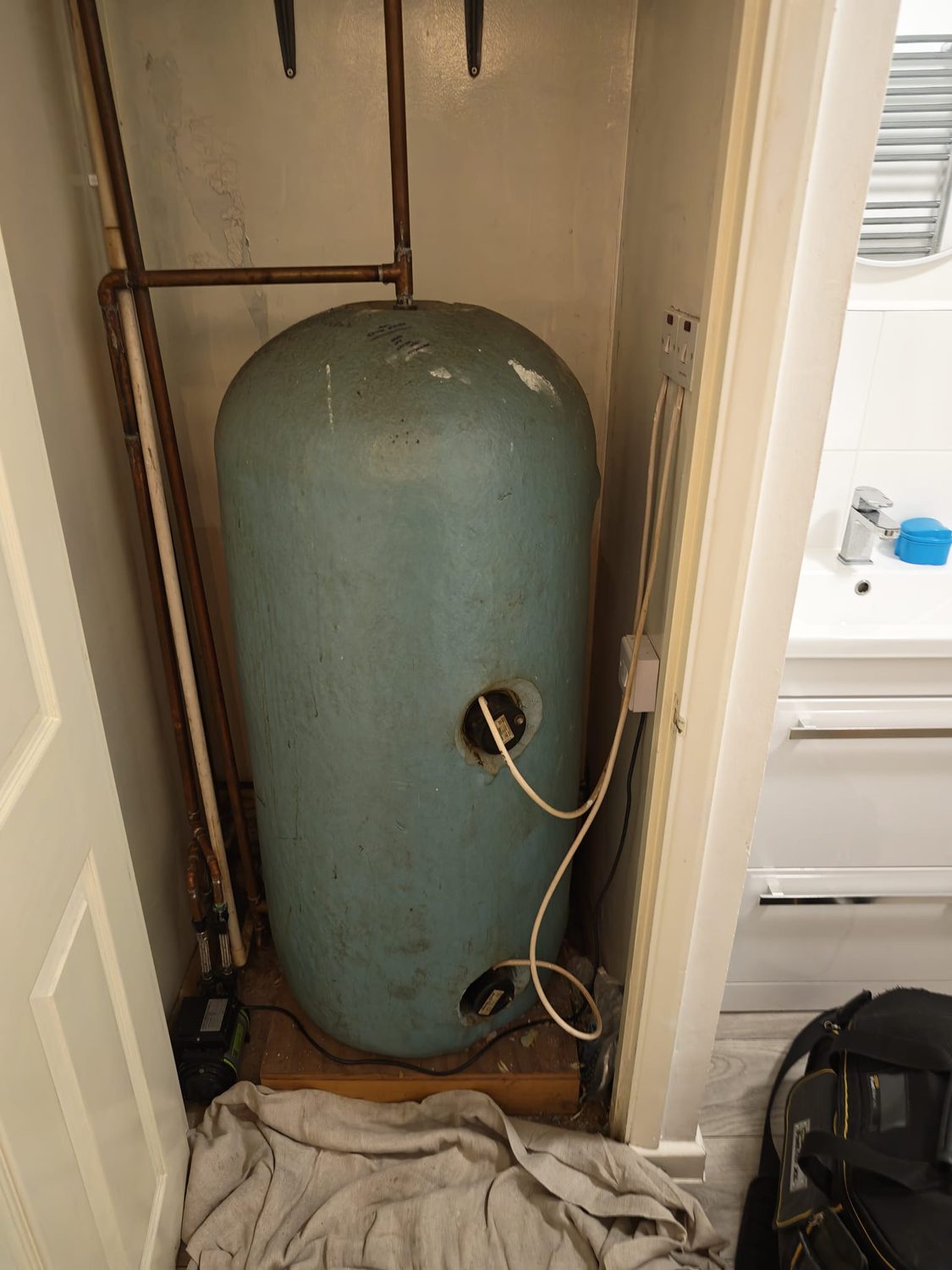
Old green-painted copper hot water cylinder standing in a cramped airing cupboard with corroded pipework
What it usually replaces. We survey the cupboard and the supply first — occasionally the honest answer is to keep the cylinder.
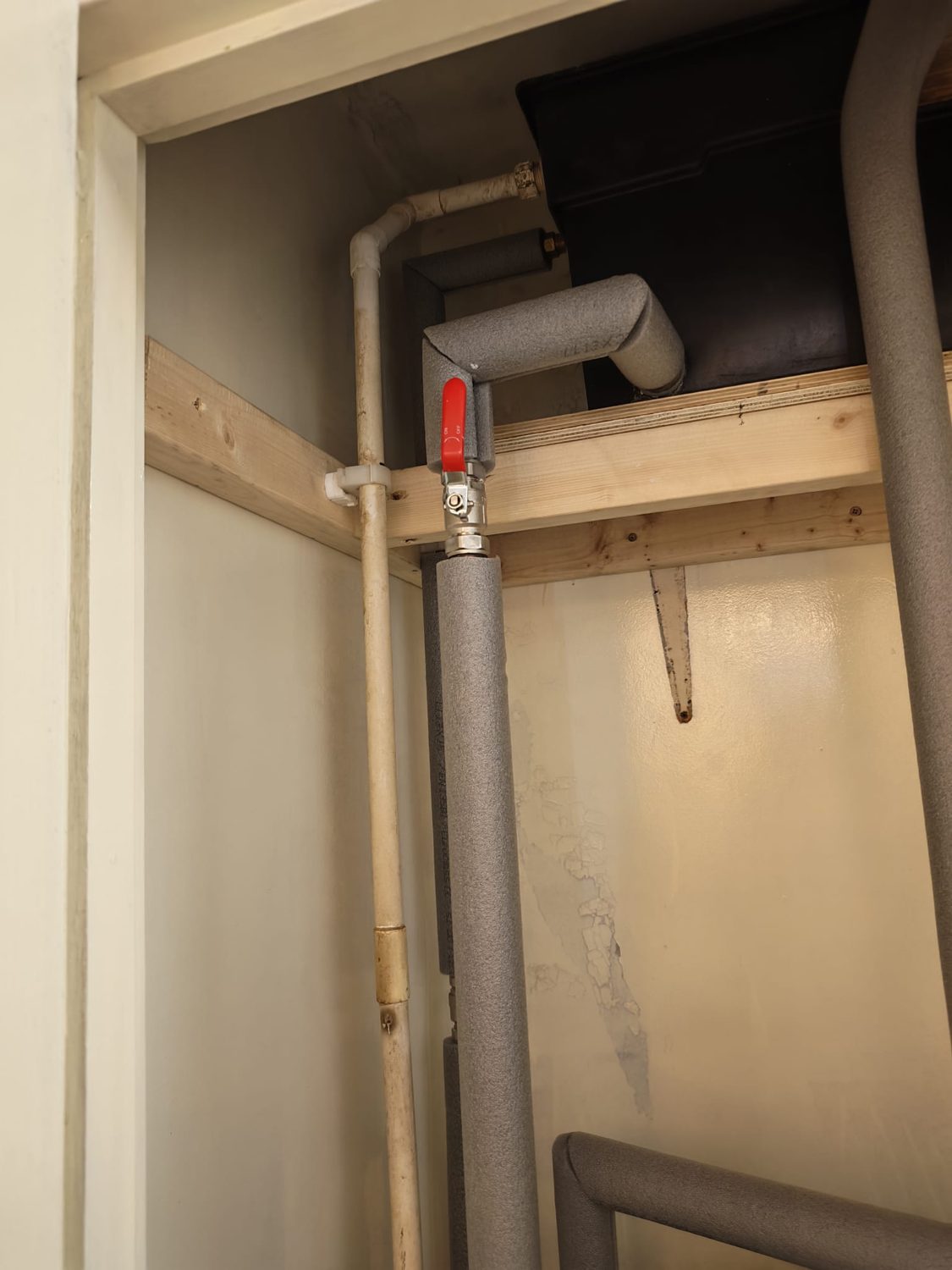
A services cupboard rebuilt with insulated flow and return pipework, a red lever isolation valve and a new timber frame
And what goes in its place, on a different flat: insulated runs, a lever valve left within reach, a frame sized to carry the weight.

Questions

Asked most often

Do I need gas for heating?

No. Electric boilers, heat interface units and cylinders all work without a gas supply, which is how most modern flats around here are heated.

Will my fuse board take it?

That is the first thing we check. Supply capacity decides which unit is possible, and it is checked before anything is quoted.

Is an electric boiler expensive to run?

Per unit of energy, electricity costs more than gas. Against storage heaters or direct electric panels, a properly sized system with good controls usually comes out better. We will give you the honest comparison.

How long does a replacement take?

A straight swap is usually a day, including the electrical connection and commissioning.

Not sure what you need?

Describe what's happening and Ivan will tell you straight whether it needs someone tonight or can wait until Monday. That call costs nothing either way.

Call WhatsApp Free quote